
Managing Constipation During Pregnancy: A Guide for Expectant Mothers
Pregnancy is a beautiful and transformative journey for women, but it can also come with its fair share of discomforts. One common issue that many pregnant women face is constipation. While it may not be the most glamorous topic, it’s important to address and manage this condition to ensure the well-being of both mother and baby. In this blog post, we will explore the causes of constipation during pregnancy and provide effective management strategies for a smoother digestive experience.
Constipation is characterized by infrequent bowel movements, difficulty passing stools, and a feeling of incomplete evacuation. During pregnancy, hormonal changes, increased pressure on the intestines from the growing uterus, and the effect of prenatal vitamins can contribute to constipation. Moreover, the hormone progesterone, which helps relax the uterine muscles to accommodate the growing baby, can also relax the muscles in the intestines, leading to sluggish bowel movements.
Tips for Managing Constipation
- Hydration is Key:
Staying hydrated is essential for maintaining regular bowel movements. Drink plenty of water throughout the day to keep your body well-hydrated. Aim for at least 8-10 glasses of water daily, and consider incorporating hydrating foods like watermelon, cucumbers, and soups into your diet.
- Fiber-Rich Diet:
Include fiber-rich foods in your daily meals to promote regularity. Whole grains, fruits, vegetables, legumes, and nuts are excellent sources of dietary fiber. These foods add bulk to your stools and facilitate smoother bowel movements. Aim for 25-35 grams of fiber per day, but increase your intake gradually to prevent bloating or gas.
- Exercise Regularly:
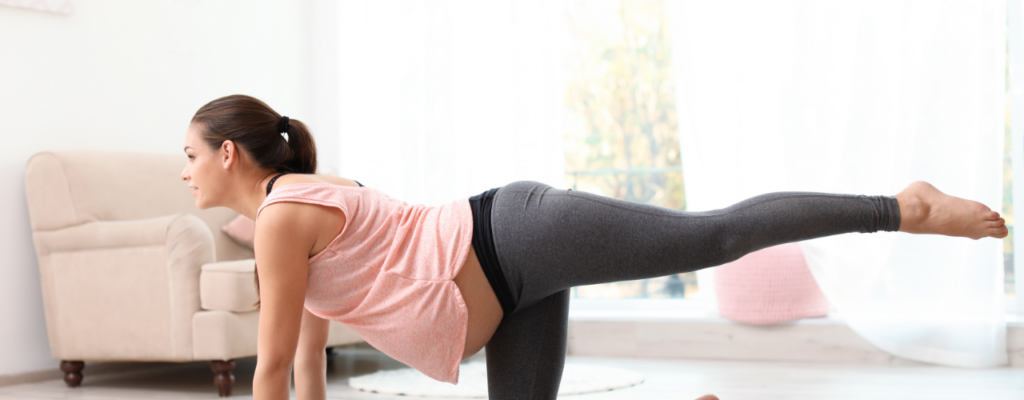
Light to moderate physical activity can stimulate bowel movements by encouraging intestinal muscle contractions. Engage in regular exercise such as walking, swimming, or prenatal yoga, but always consult your healthcare provider before starting any new exercise regimen during pregnancy.
- Probiotics:
Consider incorporating probiotic-rich foods like yogurt, kefir, and fermented vegetables into your diet. Probiotics promote the growth of beneficial gut bacteria, which can help regulate bowel movements and improve digestion.
- Maintain a Regular Bathroom Routine:
Try to establish a regular bathroom routine by setting aside dedicated time for bowel movements each day. The body’s natural rhythm can be helpful in preventing constipation. Additionally, don’t ignore the urge to go when it arises, as delaying can lead to harder stools and more difficulty passing them. Using squatty potty is another alternative to avoid straining while pooping. It helps in straightening the rectum and helps in clearing the bowel. Performing colon massage in the pattern of “I love you” is often beneficial too.
- Natural Remedies:
Certain natural remedies can aid in relieving constipation. Herbal teas such as ginger, chamomile, and peppermint can have a soothing effect on the digestive system. However, it’s important to consult your healthcare provider before trying any herbal remedies during pregnancy to ensure they are safe for you and your baby. Over the counter magnesium citrate is another medicinal alternative.
- Speak with Your Healthcare Provider:
If your constipation persists or becomes severe, it’s important to consult your healthcare provider. They may recommend safe laxatives or stool softeners suitable for use during pregnancy. However, it’s crucial to never self-medicate and always follow your healthcare provider’s advice.
Constipation during pregnancy can be an uncomfortable and frustrating experience, but with the right management strategies, it can be alleviated effectively. By staying hydrated, consuming a fiber-rich diet, engaging in regular exercise, and adopting a healthy lifestyle, you can promote regular bowel movements and reduce the discomfort associated with constipation. Remember to consult your healthcare provider for personalized advice and guidance throughout your pregnancy journey. Embrace self-care, and enjoy this remarkable phase of your life to the fullest.
Disclaimer: This blog post is for informational purposes only and should not replace professional medical advice. Always consult with your healthcare provider.