
Managing incontinence and pelvic organ prolpase .
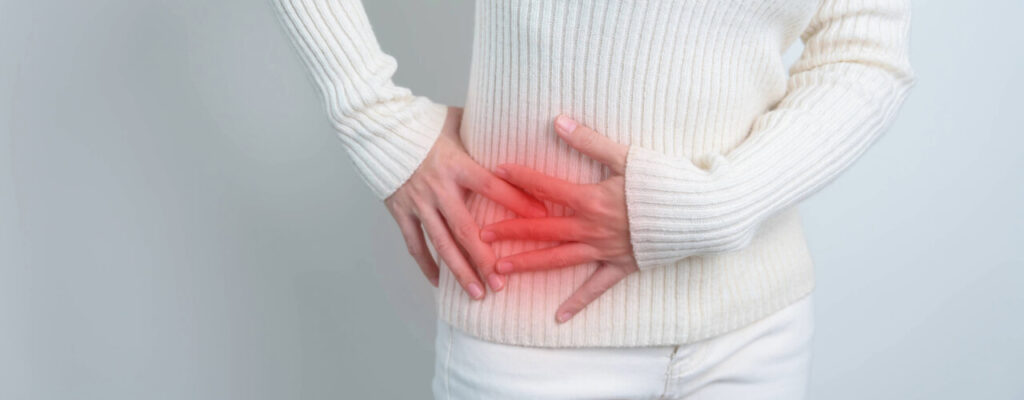
Pelvic organ prolapse is a condition that affects many women, particularly those who have experienced childbirth or are going through menopause. When the pelvic floor muscles become weak or tight ( it is a misconception to think its only weakness which causes prolapse, the organs they support—such as the bladder, uterus, or rectum—can begin to descend. This not only leads to discomfort but also contributes to urinary issues like incontinence, feeling heaviness in perineal /vaginal area . Understanding the link between pelvic organ prolapse and incontinence is crucial for women seeking long-term relief. At Revive Physical Therapy, our physical therapists specialize in treating these conditions through targeted therapy that strengthens the pelvic floor and restores bladder control.
Pelvic organ prolapse occurs when the muscles and ligaments that support the pelvic organs weaken or fascia tightens , causing one or more organs to drop into or outside of the vaginal canal. This shift can place pressure on the bladder, leading to issues with urinary control. When the bladder itself prolapses (a condition known as cystocele), it can cause leakage during activities like coughing, sneezing, laughing or exercising. Women may also experience a constant feeling of needing to urinate, even if their bladder is not full or feel heaviness down there .
Pelvic organ prolapse occurs when the muscles and ligaments that support the pelvic organs weaken or fascia tightens , causing one or more organs to drop into or outside of the vaginal canal. This shift can place pressure on the bladder, leading to issues with urinary control. When the bladder itself prolapses (a condition known as cystocele), it can cause leakage during activities like coughing, sneezing, or exercising. Women may also experience a constant feeling of needing to urinate, even if their bladder is not full or heaviness down below .
The connection between pelvic organ prolapse and incontinence is common, as both are often the result of the same underlying weakness in the pelvic floor. Without adequate support from these muscles, the bladder and other organs are more likely to shift out of place, affecting normal urinary function.
Risk Factors
Birth Trauma
- Vaginal deliveries, done in wrong position and without proper pelvis alignment and proper pelvic floor organ and muscles can cause damage to the tissues .
Aging:
- As women age due to hormonal issues the muscles naturally lose strength, and tissues lose elasticity, making prolapse more common after menopause but with holistic therapy provided at Revive Physical therapy it can be reduced and corrected .
Obesity:
- Extra weight places additional pressure on the pelvic floor, increasing the risk of prolapse.
Chronic coughing or heavy lifting:
- Both activities put a strain on the pelvic muscles, leading to weakness over time.
- You may experience a heavy feeling in the pelvic area, along with urinary leakage, incomplete bladder emptying, and changes in urination frequency or urgency.
These symptoms can significantly impact daily life, but pelvic floor physical therapy at Revive Physical therapy offers a holistic , gentle and effective way to manage both prolapse and incontinence.